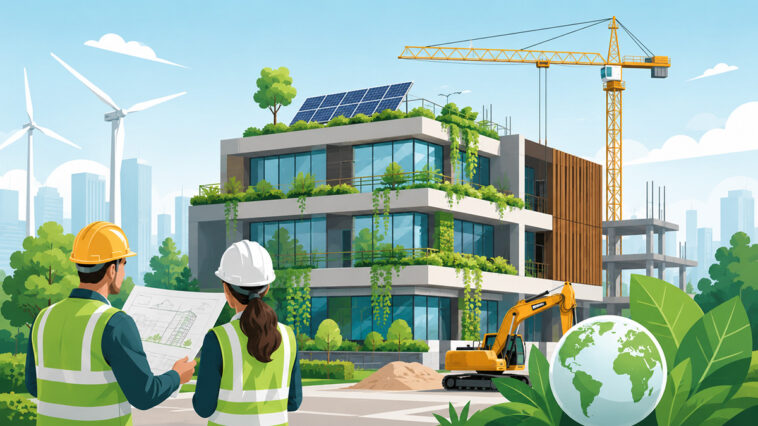
The construction industry plays a vital role in shaping modern society, but it is also one of the largest consumers of natural resources and energy. Sustainable construction is an approach that focuses on minimizing environmental impact while creating efficient, durable, and comfortable buildings. As governments, businesses, and homeowners increasingly prioritize sustainability, the adoption of green building practices continues to grow worldwide.
What is Sustainable Construction?
Sustainable construction refers to the planning, design, construction, operation, and maintenance of buildings in ways that reduce environmental impact and improve resource efficiency. This includes using eco-friendly materials, minimizing waste, conserving energy and water, and creating healthier indoor environments.
Key Benefits of Sustainable Construction
1. Reduced Environmental Impact
One of the most significant advantages of sustainable construction is its ability to reduce the environmental footprint of buildings. Green construction practices help lower greenhouse gas emissions, reduce waste sent to landfills, and minimize the depletion of natural resources.
By incorporating renewable materials, energy-efficient systems, and responsible construction methods, projects can contribute to environmental conservation and climate change mitigation.
2. Lower Operating Costs
Sustainable buildings are designed to consume less energy and water. Features such as high-performance insulation, energy-efficient lighting, solar panels, and water-saving fixtures significantly reduce utility expenses over the building’s lifetime.
Although initial construction costs may sometimes be higher, the long-term savings often outweigh the upfront investment.
3. Improved Energy Efficiency
Energy-efficient buildings require less power for heating, cooling, lighting, and operation. Modern sustainable construction techniques utilize advanced building materials, smart technologies, and renewable energy systems to maximize efficiency.
This results in lower energy bills and reduced dependence on fossil fuels.
4. Better Indoor Air Quality
Traditional building materials and poor ventilation can contribute to indoor air pollution. Sustainable buildings prioritize healthy indoor environments through the use of low-emission materials, natural ventilation, and improved air filtration systems.
Enhanced indoor air quality can improve occupant comfort, productivity, and overall well-being.
5. Increased Property Value
Green buildings are increasingly attractive to buyers, tenants, and investors. Properties with sustainable features often command higher market values and experience greater demand due to their lower operating costs and environmental benefits.
As sustainability becomes a priority for consumers, green-certified buildings may gain a competitive advantage in the real estate market.
6. Enhanced Durability and Performance
Sustainable construction emphasizes quality materials and efficient design strategies that improve a building’s lifespan and resilience. Durable structures require fewer repairs and replacements, reducing maintenance costs and resource consumption over time.
This long-term performance makes sustainable buildings a sound investment.
7. Water Conservation
Water scarcity is a growing concern in many regions. Sustainable construction incorporates water-efficient fixtures, rainwater harvesting systems, and drought-resistant landscaping to reduce water consumption.
These measures help preserve valuable water resources while lowering utility costs.
8. Compliance with Environmental Regulations
Many countries are implementing stricter environmental regulations and building standards. Sustainable construction practices help developers and contractors comply with current requirements while preparing for future regulations.
Early adoption of green building practices can reduce compliance risks and improve project approval processes.
9. Positive Corporate and Community Image
Organizations that invest in sustainable construction demonstrate environmental responsibility and social commitment. This can strengthen brand reputation, attract environmentally conscious customers, and foster positive relationships with communities and stakeholders.
A sustainable building project often serves as a visible example of corporate leadership in environmental stewardship.
10. Contribution to a Sustainable Future
Every sustainable building contributes to broader environmental and societal goals. By reducing energy consumption, conserving resources, and promoting healthier living environments, sustainable construction supports long-term sustainability and helps create more resilient communities.
Conclusion
Sustainable construction is more than a trend—it is a practical and responsible approach to building for the future. From reducing environmental impact and lowering operating costs to improving occupant health and increasing property value, the benefits are substantial. As technology advances and sustainability standards continue to evolve, green construction practices will play an increasingly important role in shaping the built environment.
By embracing sustainable construction today, builders, developers, and property owners can create lasting value while contributing to a healthier planet for future generations.