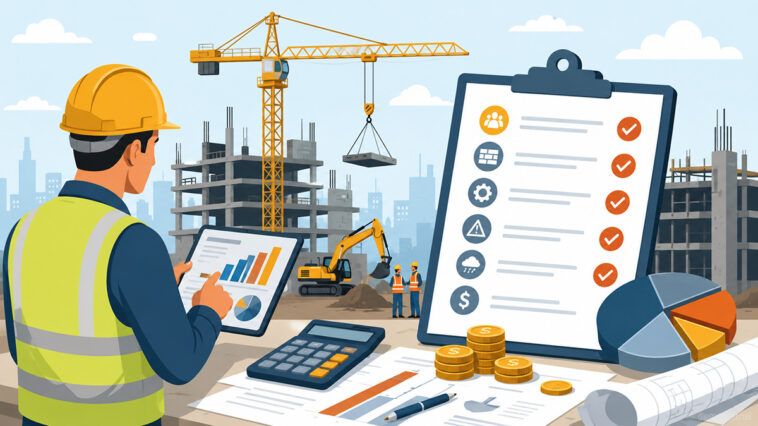
Construction projects are complex undertakings involving multiple stakeholders, materials, timelines, and unforeseen challenges. Despite careful planning, budget overruns remain one of the most common problems in the construction industry. Cost overruns can significantly impact project profitability, delay completion, and strain relationships between clients and contractors.
Understanding the causes of budget overruns is the first step toward preventing them. Here are ten common reasons why construction projects exceed their original budgets.
Inaccurate Cost Estimation
Many projects begin with unrealistic or incomplete cost estimates. Estimators may overlook certain expenses, underestimate material costs, or fail to account for project complexity. Even small errors in the planning phase can lead to significant budget gaps later.
How to avoid it: Use detailed quantity takeoffs, historical project data, and experienced estimators to create accurate budgets.
Scope Changes and Change Orders
Project owners often request modifications after construction begins. While some changes may improve the final outcome, they typically increase labor, material, and equipment costs.
How to avoid it: Clearly define project requirements before construction starts and establish a formal change management process.
Poor Project Planning
Insufficient planning can result in scheduling conflicts, inefficient resource allocation, and unexpected delays. A lack of coordination between project teams often leads to costly rework and wasted resources.
How to avoid it: Develop comprehensive project plans that include timelines, milestones, resource schedules, and risk assessments.
Labor Shortages and Productivity Issues
The construction industry continues to face skilled labor shortages in many regions. A shortage of qualified workers can slow progress, increase overtime costs, and reduce overall productivity.
How to avoid it: Secure labor resources early and invest in workforce training and retention programs.
Material Price Fluctuations
Prices for steel, cement, timber, fuel, and other construction materials can change significantly during a project’s lifecycle. Unexpected increases can quickly push costs beyond budget.
How to avoid it: Lock in prices through supplier agreements where possible and include contingencies for market volatility.
Unexpected Site Conditions
Hidden underground utilities, poor soil conditions, contamination, or geological issues can create unforeseen challenges that require additional work and expenses.
How to avoid it: Conduct thorough site investigations, surveys, and geotechnical studies before construction begins.
Project Delays
Every day a project runs beyond schedule can increase labor, equipment, supervision, and overhead costs. Weather events, permit issues, supply chain disruptions, and design revisions often contribute to delays.
How to avoid it: Maintain realistic schedules, monitor progress closely, and implement proactive risk management strategies.
Poor Communication Among Stakeholders
Miscommunication between owners, architects, engineers, contractors, and subcontractors can result in misunderstandings, errors, and costly rework.
How to avoid it: Establish clear communication channels and use project management software to keep all parties informed.
Design Errors and Incomplete Drawings
Construction teams rely heavily on design documents. Errors, omissions, or unclear specifications can lead to confusion, delays, and expensive corrections during construction.
How to avoid it: Perform detailed design reviews and ensure drawings are complete before construction begins.
Insufficient Risk Management
Many projects fail to adequately identify and plan for potential risks. Unexpected events such as economic downturns, regulatory changes, equipment failures, or supply shortages can have major financial consequences.
How to avoid it: Create a risk management plan that identifies potential threats and includes contingency budgets for unforeseen events.
Final Thoughts
Budget overruns are rarely caused by a single issue. More often, they result from a combination of planning deficiencies, communication breakdowns, market factors, and unforeseen challenges. Successful construction projects require accurate budgeting, proactive risk management, effective communication, and continuous monitoring throughout the project lifecycle.
By understanding these common causes and implementing preventive measures, construction companies can improve project profitability, deliver projects on time, and build stronger client relationships.